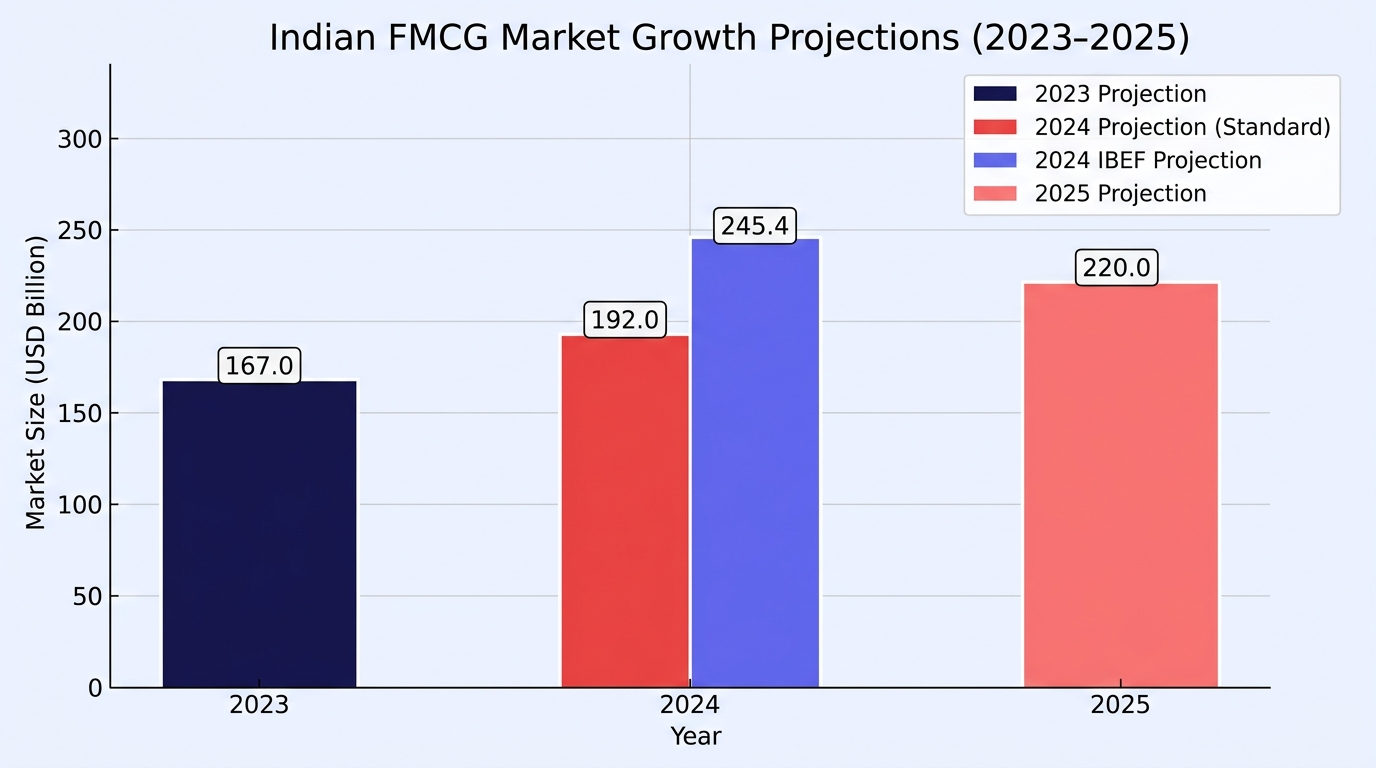
FMCG Digitisation India: Workforce Impact Study 2025
Generating visualization...
Value-chain Digitisation in Indian FMCG.
The report examines the impact of digital transformation on the Indian FMCG sector, focusing on workforce dynamics and job creation by 2025. It highlights the significant role played by technologies like AI, IoT, and cloud-based ERP in driving efficiency and market expansion. The report explores strategic implications for stakeholders, including policy recommendations and regional job creation analysis. Future scenarios for the sector's digital evolution through 2035 are also projected to provide insights into potential growth paths.
Digital TransformationFMCG digitisationIndia jobsRetail WorkforceSupply Chain Automation
PurposeTo analyze how digital transformation impacts the workforce and job creation in India's FMCG sector.
AudienceIndustry professionals, policymakers, researchers, and educators interested in digital transformation in FMCG.
Report LengthComprehensive
Focus Areas.
Industries JobsFocus on FMCG industry; roles related to AI, data analytics, and e-commerce.
Geographic AreasIndia, with details on different states and regions.
Special EmphasisEmphasis on technological adoption, policy implications, and regional job creation.
Report Layout.
Introduction
Contextual overview of India’s FMCG digital transformation
Strategic relevance of value‑chain digitisation in 2025
Report objectives and scope
Methodology
Get the Insights You Need — Download Now.
Insights.
Digital transformation is significantly reshaping India's FMCG sector, enhancing efficiency and market expansion.AI, IoT, and blockchain technologies drive supply chain transparency and consumer insights.By 2025, regional disparities persist with southern states leading in digital adoption.New digital roles emerge with a 20% projected growth in related job sectors.Policy recommendations are crucial for developing a robust digital workforce and addressing infrastructure limitations.
Key Questions Answered.
GHOST Research combines the power of Traditional Research & LLMs.
-Sources of Curated Credible Data
28+Major Business Languages
FractionCost of traditional Research
Live StreamOf information for latest insights
Powered byProprietary AI Research Engine generates deeper insights than traditional Market Research
1000+ Subject matter expertsIndustry leading Research Experts across topics, sectors & geographies publish insightful reports
Contemporary data sources and digital analytics methods
Updated analytical framework for workforce‑technology interplay
Current limitations and assumptions in digital era analysis
Indian FMCG Sector: Current Snapshot
Market size, growth trajectory, and digital economy integration (2025)
Leading players, D2C challengers, and omnichannel segments
Competitive dynamics amid AI, quick commerce, and rural expansion
Technology Adoption Across Value‑Chain Nodes
Smart manufacturing, automation, and AI‑driven production
AI forecasting, IoT logistics, and blockchain traceability in supply chain
Cloud‑based ERP, D2R models, and omnichannel distribution systems
Quick commerce, hyperlocal delivery, and consumer engagement platforms
Workforce Impact Analysis
Workforce restructuring: automation‑induced reductions vs. new roles
Rise of digital roles: AI specialists, data analysts, e‑commerce managers
Reskilling and digital literacy imperatives
Gender and diversity dimensions in workforce transformation
Regional Job‑Creation Analysis
State‑level digital adoption and employment shifts
Urban, semi‑urban, and rural workforce impact comparison
Tier‑1 vs Tier‑2/3 city digital job dynamics
Case Studies: Digital Transformation Success Stories
Case Study 1: Legacy FMCG giant’s AI‑led transformation
Case Study 2: Regional brand’s D2C and quick commerce pivot
Case Study 3: Digital‑native FMCG startup scaling via tech
Case Study 4: Rural distribution innovation through mobile platforms
Policy Implications and Recommendations
Evaluation of PLI, FDI, and logistics policy support
Assessment of government digital and rural consumption schemes
Public‑private collaboration for digital workforce development
Education, reskilling, and inclusive employment policies
Risk Assessment
Implementation barriers: infrastructure, digital divide, cost pressures
Workforce displacement and inequality risks
Economic volatility and urban demand fluctuations
Competitive threats from agile D2C and tech‑first players
Future Scenarios to 2035
Baseline projection: steady digital integration and workforce evolution
Accelerated digitisation scenario: AI, quick commerce, and rural boom
Constrained growth scenario: urban slowdown and margin pressures
Regional divergence scenarios: differential digital adoption across states
Visualizations and Tables
Timeline of digital adoption across value‑chain (2019–2025)
Jobs created vs automation risk by function comparison
Regional heatmap of digital adoption and employment impact
Skill‑demand index across roles and functions
Technology use‑cases with ROI estimates table
Roles emerging vs declining: comparative table
State‑wise digital job projection table
Policy and investment matrix
Conclusions
Summary of key insights and workforce implications
Strategic takeaways for stakeholders
Directions for future research and monitoring
References and Citations
References
Citations
2
Which regions are leading in digital adoption within the FMCG sector in India?