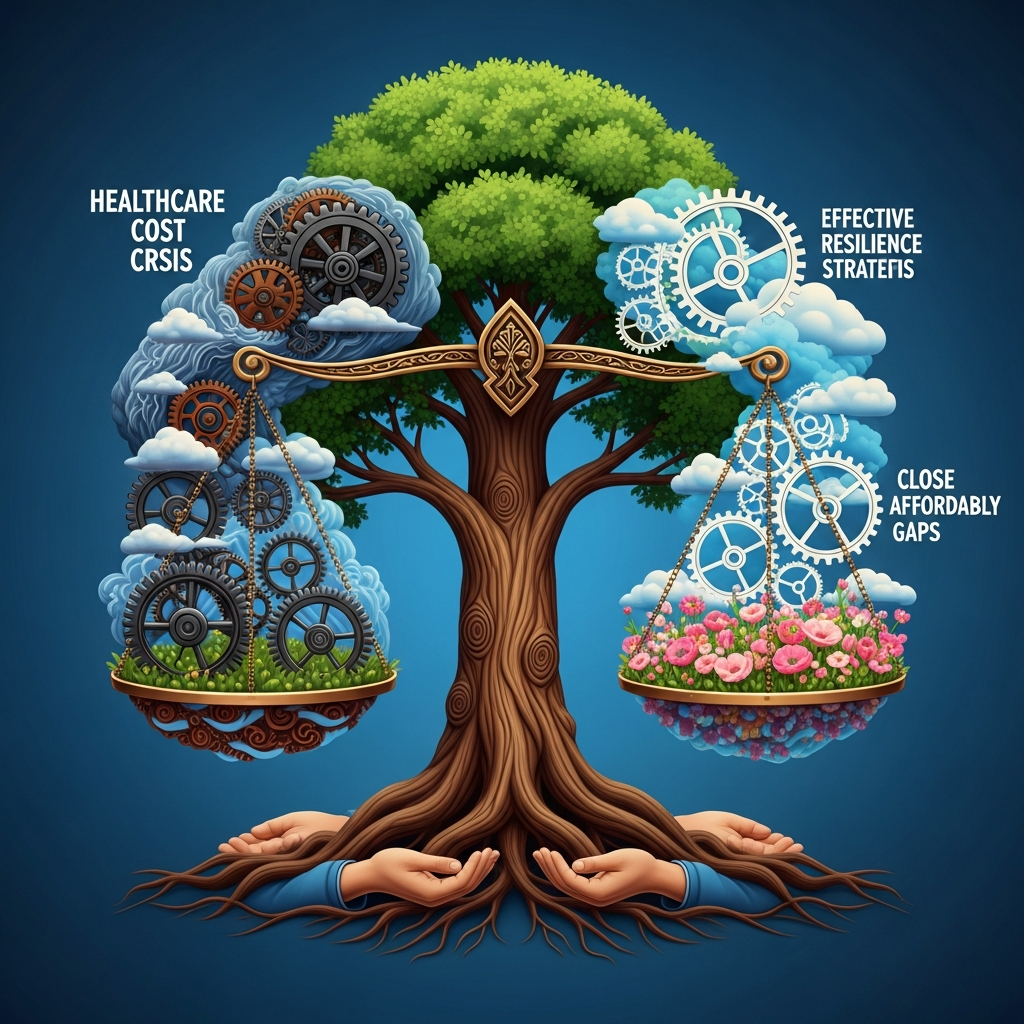
The Healthcare Cost Crisis 2026: System Stress, Affordability Gaps, Resilience Strategies.
Affordability GapsHealthcare Cost CrisisPolicy ReformSystem Resilience
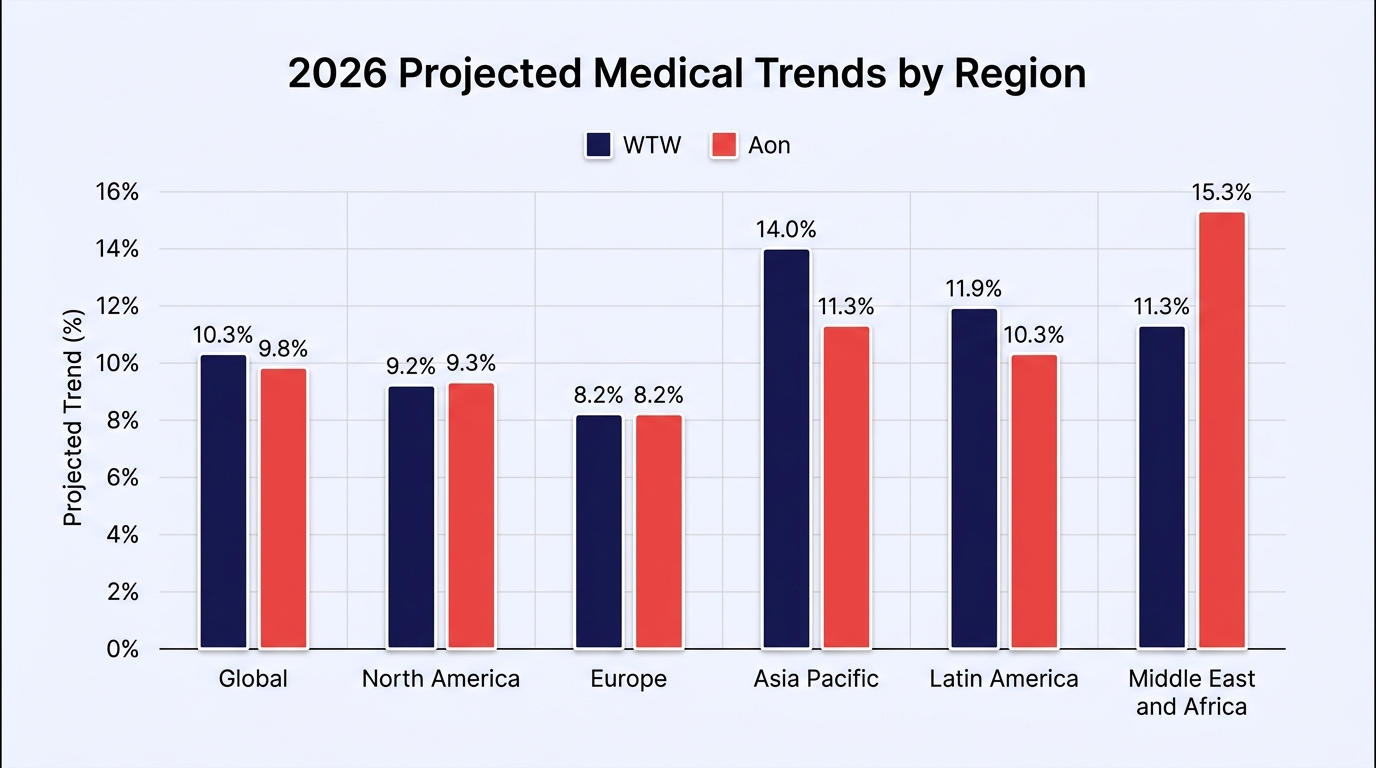
The report examines the healthcare cost crisis projected for 2026, analyzing cost drivers, sustainability challenges, and resilience strategies. It highlights global trends in medical inflation and its impacts on employers, insurers, governments, and households. Various strategies are suggested to mitigate these effects, including digital health solutions, policy reforms, and innovation in payment models. Regional variations and specific case studies are provided to illustrate successful cost control implementations.
Bharath Kumar, Ghost Research
February 2026
Perspective.
PurposeTo analyze and propose strategies to address the escalating healthcare costs projected for 2026.
AudiencePolicymakers, insurers, healthcare providers, and industry stakeholders.
Special EmphasisEmphasis on sustainability, innovation, policy reforms, and resilience strategies.
159Pages of Deep Analysis
107Curated Credible Sources
42Proprietary AI Visuals
42Data Analysis Tables
$495

Bharath Kumar
5+ Years of Experience
Sectors & Industries
HealthCare
Functions & Expertise
Market Intelligence
Have questions? Our Research Desk is here to help
Top Insights.
Global medical inflation is projected to continue rising into 2026.Specialty pharmaceuticals and new technologies drive cost increases.Digital health solutions offer potential cost containment benefits.Health spending may become unsustainable without significant reforms.Resilience strategies are essential to manage systemic shocks.Key Questions Answered.
159Pages of Deep Analysis
42Proprietary AI Visuals
107Curated Credible Sources
42Data Analysis Tables
Summary.