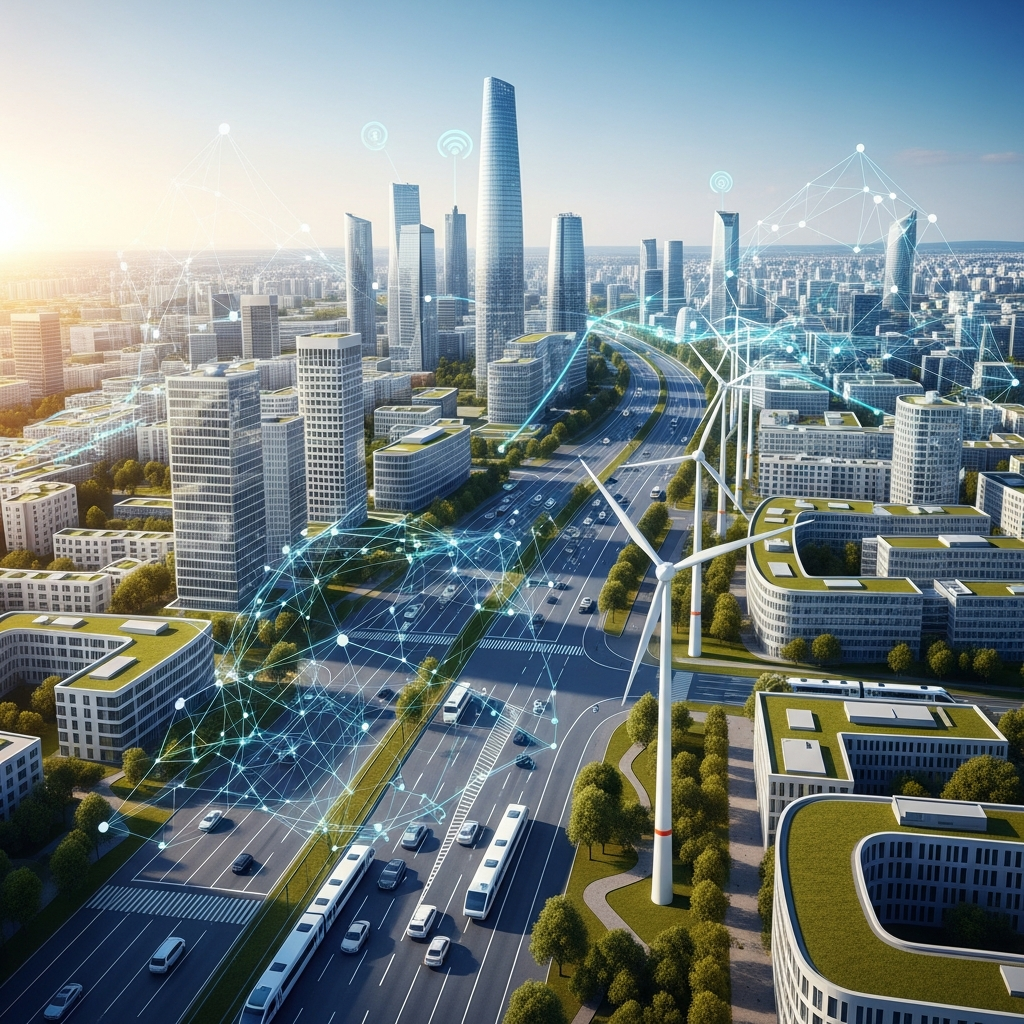
Smart-City Infrastructure and Real-Estate Tech: European Workforce Planning.
Digital InfrastructureDigital TransformationFuture JobsPropTechSmart CitiesSustainabilityWorkforce Planning
The report explores the integration of smart-city infrastructure and real-estate technology in Europe, focusing on workforce planning amidst digital transformation. It highlights the critical roles of technology, sustainability, and governance in shaping urban innovation. The document delves into market dynamics, skill gaps, and regional differences impacting the workforce in smart-city and PropTech sectors. It also discusses strategic workforce planning and educational pathways necessary to support the transition toward digital-green urban environments.
Gaurav Kumar, Ghost Research
December 2025
Perspective.
PurposeTo analyze workforce planning in the digital transformation of European smart cities.
AudiencePolicy makers, city planners, educational institutions, industry stakeholders.
Special EmphasisSustainability, innovation, policy development, technology integration.
66Pages of Deep Analysis
207Curated Credible Sources
3Proprietary AI Visuals
7Data Analysis Tables
$495

Gaurav Kumar
2+ Years of Experience
Sectors & Industries
Information Technology
Functions & Expertise
Data & AIStrategy & GTM
Have questions? Our Research Desk is here to help
Top Insights.
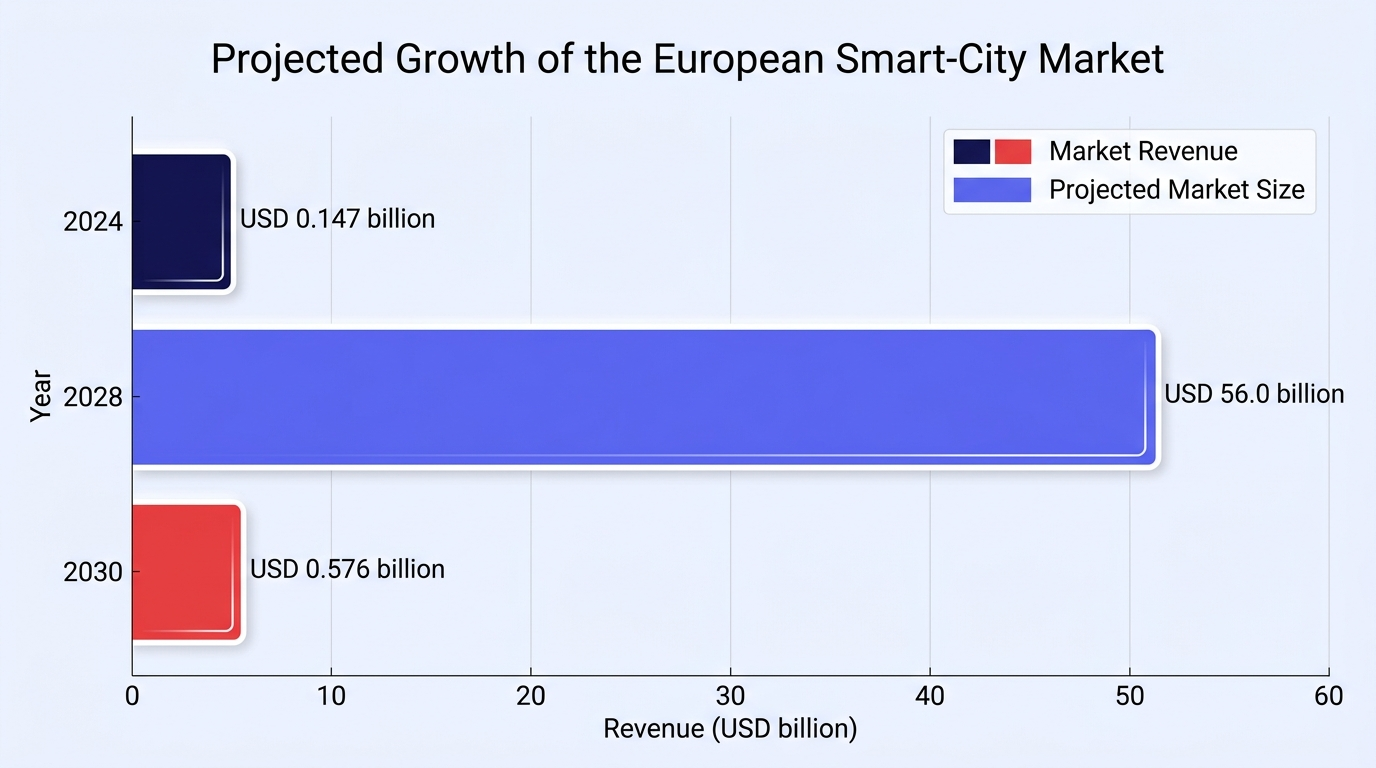
Europe's smart-city market is growing with a focus on sustainability and digital integration.Key cities like Helsinki and Barcelona are developing innovative workforce models.AI and digital twins are crucial for energy optimization and urban planning.Training programs are essential for closing skill gaps in digital and green sectors.Cross-border talent flows influence workforce development in smart cities.Key Questions Answered.
66Pages of Deep Analysis
3Proprietary AI Visuals
207Curated Credible Sources
7Data Analysis Tables
Summary.