Smart Cities in South America: Workforce Transformation.
Infrastructure SkillsSmart CitiesSouth AmericaSouth America JobsUrban TechnologyUrban TechworkforceWorkforce Transformation
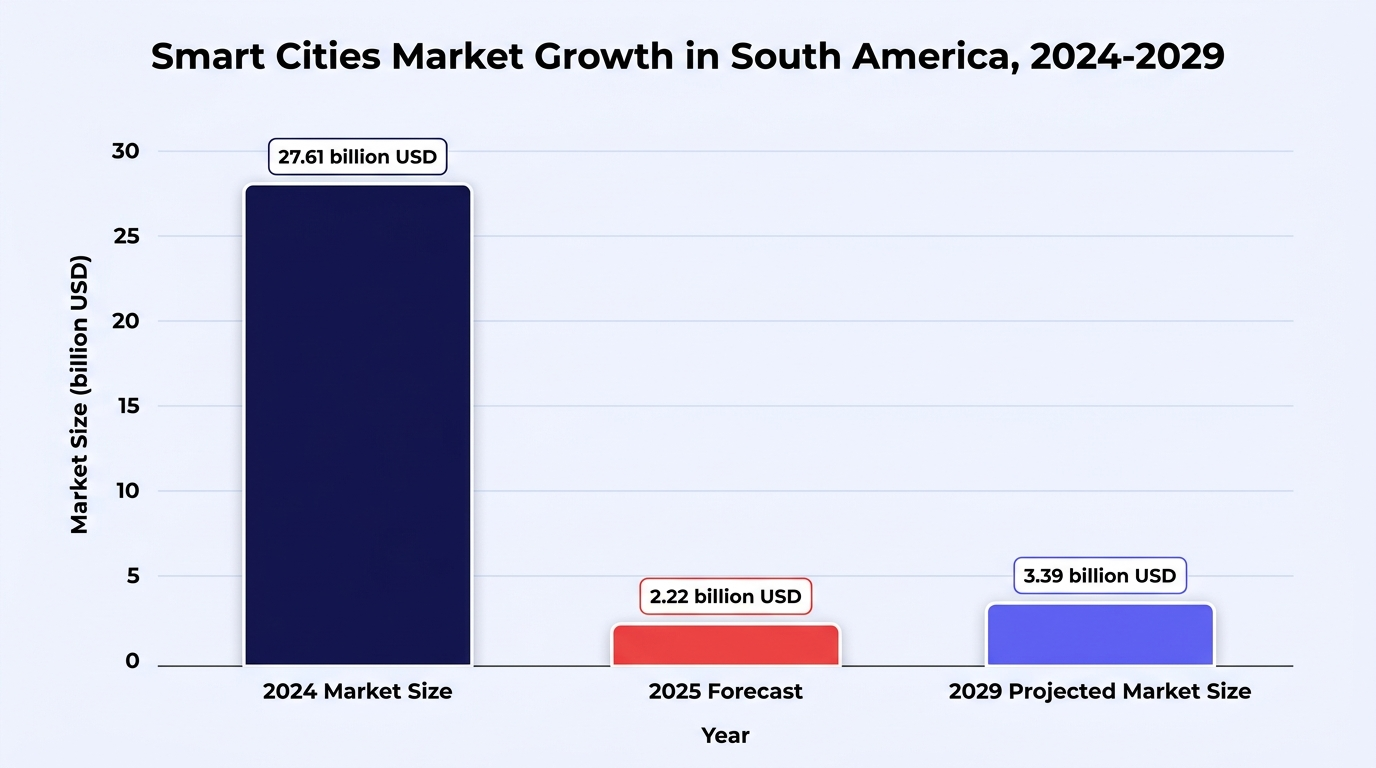
This report explores the workforce transformation in South American smart cities, primarily focusing on construction and urban technology sectors. It highlights the rapid market growth expected in these areas by 2029, with technologies like AIoT, digital twins, and Industry 4.0 leading the change. Key challenges include a significant skills gap in the workforce, geographic and socioeconomic disparities, and inclusion issues. Government policies, economic impacts, and future workforce projections are also thoroughly examined, providing a comprehensive view of the region's urban innovation efforts.
Kritika Verma, Ghost Research
December 2025
Perspective.
PurposeTo analyze workforce transformations in smart cities in South America, emphasizing construction and urban technology sectors.
AudienceResearchers, policymakers, urban planners, technology and construction industry professionals.
Special EmphasisWorkforce digital skills gap, inclusion, government policy, urban innovation, and economic impacts.

53Pages of Deep Analysis
159Curated Credible Sources
3Proprietary AI Visuals
3Data Analysis Tables
$495

Kritika Verma
2+ Years of Experience
Sectors & Industries
HealthCare
Functions & Expertise
Market IntelligenceStrategy & GTM
Have questions? Our Research Desk is here to help
Top Insights.
South America's smart city market is projected to grow significantly by 2029, driven by technologies like AIoT and digital twins.There is a significant skills gap between existing workforce capabilities and smart city demands, particularly in IT and technology roles.Government policies aligning with smart city goals are crucial for workforce development in the region.Urban technology ecosystems in South America are reshaping workforce requirements, particularly in urban management and public services.Inclusion remains a challenge, with women and underrepresented groups facing barriers in the urban-tech workforce.Key Questions Answered.
53Pages of Deep Analysis
3Proprietary AI Visuals
159Curated Credible Sources
3Data Analysis Tables
Summary.