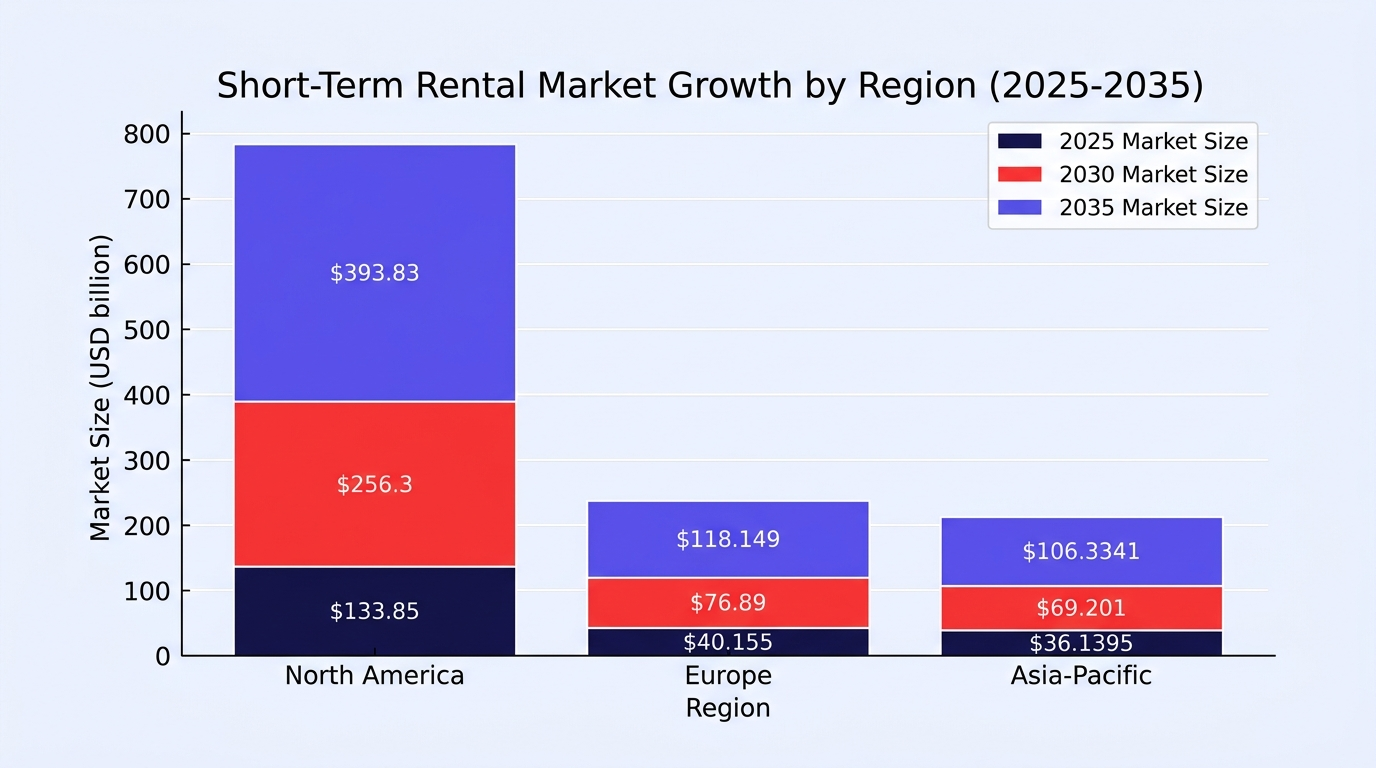
Post-Pandemic Short-Term Rental Regulations: Real Estate Impact.
This report provides a comprehensive analysis of the impact of post-pandemic short-term rental regulations on real estate markets globally, focusing on the Americas, Asia, Europe, and Oceania. It discusses the transition of regulations from local to more centralized frameworks, evaluates how these changes affect housing affordability, and explores the reaction of different stakeholders, including governments, investors, and community members. The report also assesses the influence of technological advancements and sustainability on short-term rentals and predicts future trends. Finally, it includes recommendations for policymakers, investors, and operators to navigate the evolving landscape effectively.
Real estate investmentglobal property marketpost-pandemic regulationsshort-term rentalsvacation rental policy
PurposeTo examine post-pandemic short-term rental regulations and their impact on global real estate markets.
AudiencePolicymakers, real estate investors, short-term rental operators, and community stakeholders.
Report LengthComprehensive
Focus Areas.
Industries JobsReal estate, hospitality, government policy, investment.
Geographic AreasAmericas, Asia, Europe, Oceania.
Special EmphasisSustainability, technology, regulatory policy.
Report Layout.
Introduction
Report objectives and contemporary scope
Updated methodology and real-time data sources
Clarified definitions and modern terminology
Global Short-Term Rental Market Overview
Market size, growth trajectories, and recovery patterns post-2020
Get the Insights You Need — Download Now.
Insights.
The short-term rental market has rebounded strongly post-pandemic with significant growth expected.State-level regulatory frameworks are becoming more common to streamline compliance.Short-term rentals contribute to rising housing costs but are not the primary driver of affordability issues.Technological advancements and sustainability are key differentiators in the STR market.Mid-term rentals and work-friendly accommodations are experiencing significant growth.
Key Questions Answered.
GHOST Research combines the power of Traditional Research & LLMs.
-Sources of Curated Credible Data
28+Major Business Languages
FractionCost of traditional Research
Live StreamOf information for latest insights
Powered byProprietary AI Research Engine generates deeper insights than traditional Market Research
1000+ Subject matter expertsIndustry leading Research Experts across topics, sectors & geographies publish insightful reports
Regional rebound dynamics and emerging hotspots
Evolving traveler behaviors
Technology and sustainability as market differentiators
Regulatory Landscape Evolution
Transition from local to state-level regulation frameworks
Licensing, registration, occupancy caps, and taxation trends
Platform data-sharing mandates and transparency requirements
Enforcement mechanisms and penalties
City-Level Policy Analysis
North American regulatory hotspots
European city responses
Asia-Pacific and emerging market regulatory shifts
Housing Affordability Considerations
STRs’ impact on housing supply and affordability
Regulatory tools targeting affordability
Effectiveness of interventions and displacement risk analysis
Real Estate Market Impact
Property value trends in high-tourism and regulated zones
ROI shifts amid regulatory tightening and market saturation
Conversion dynamics between short-, mid-, and long-term rentals
Financing and mortgage implications
Stakeholder Analysis
Government and municipal regulatory objectives
Investor and property owner adaptation strategies
Traditional hospitality sector responses
Community advocacy and neighborhood impact narratives
Platform strategies
Case Studies: Regulatory Approaches and Outcomes
Strict phase-out model
Balanced licensing freeze
Light-touch or investor-friendly model
Emerging Trends in Short-Term Rental Management
Smart tech adoption
Sustainability credentials
Growth of mid-term rentals
Experience-driven stays
Professional vs. Individual Host Operations
Diverging business models
Regulatory impacts
Sector professionalization and market share shifts
Future Outlook (2025-2030)
Forecasted regulatory trajectories and policy convergence
Long-term investment implications
Role of technology and sustainability
Anticipated equilibrium
Recommendations
Policy guidance for balanced regulation
Strategic advice for investors and developers
Best practices for STR operators
Community-centered approaches
Conclusion
Recap of critical insights
Key success factors
Forward-looking reflections
References and Sources
Academic research and peer-reviewed studies
Industry and market reports
Government and municipal publications
News coverage
Appendices
Data tables and regulatory comparison matrices
Visual charts
Methodological notes and data source documentation