Global Food Security Shock 2026.
ClimateCommodity VolatilityExport BansFood SecurityGlobalInvestorsMaterials
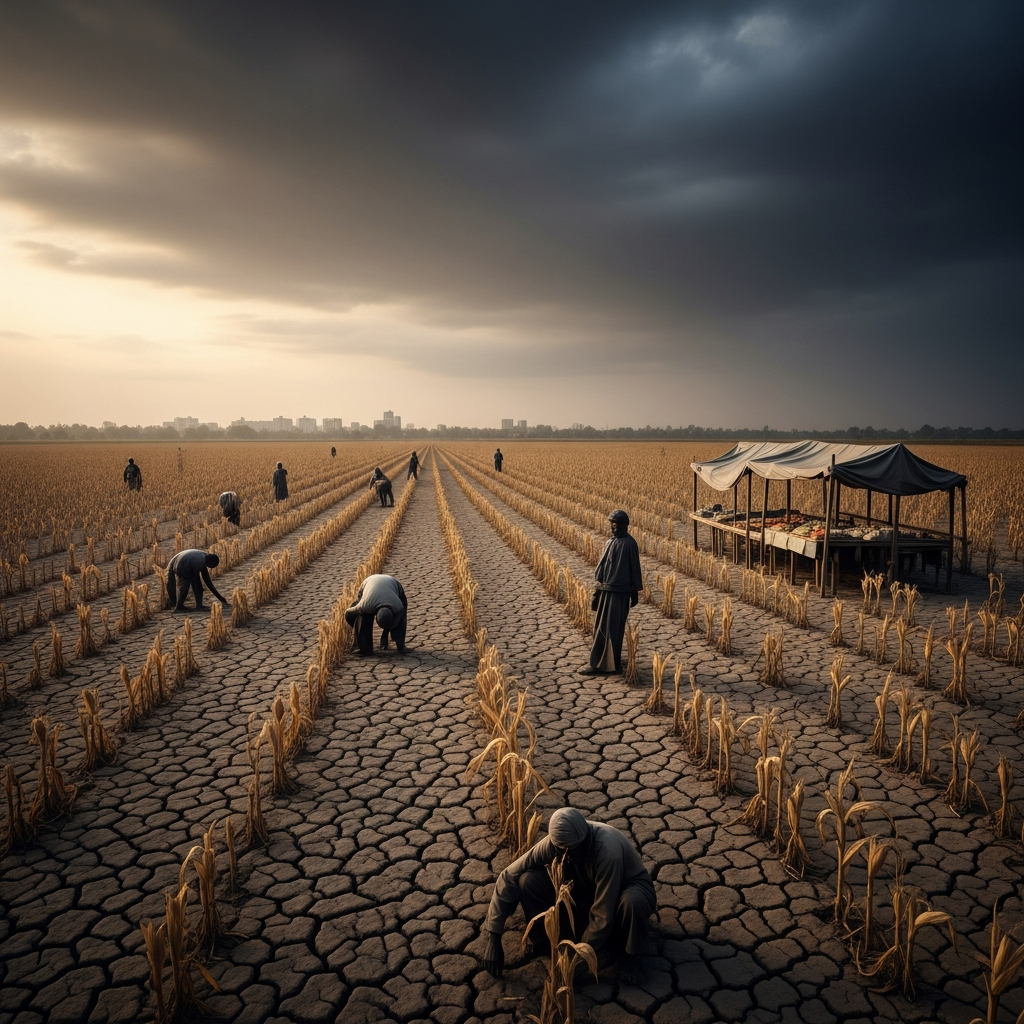
The report explores the challenges facing global food security in 2026 due to climate extremes and export bans, which are causing significant commodity volatility. It highlights how climate-related events like droughts and floods affect agricultural yields, leading to regional and global supply chain disruptions. The analysis includes the socio-economic impacts on vulnerable populations, the role of trade policies in exacerbating market instability, and the necessity for coordinated policy responses. The report emphasizes agricultural innovation and adaptation strategies to enhance resilience within food systems.
Vivek Goswami, Ghost Research
December 2025
Perspective.
PurposeTo analyze the drivers and implications of global food security challenges expected in 2026.
AudienceInvestors, policymakers, NGOs, and agricultural stakeholders.
Special EmphasisSustainability, policy coordination, innovation.
53Pages of Deep Analysis
22Curated Credible Sources
3Proprietary AI Visuals
5Data Analysis Tables
$495

Vivek Goswami
11+ Years of Experience
Sectors & Industries
IndustrialsConsumer StaplesEnergy
Functions & Expertise
Market IntelligenceStrategy & GTM
Have questions? Our Research Desk is here to help
Top Insights.
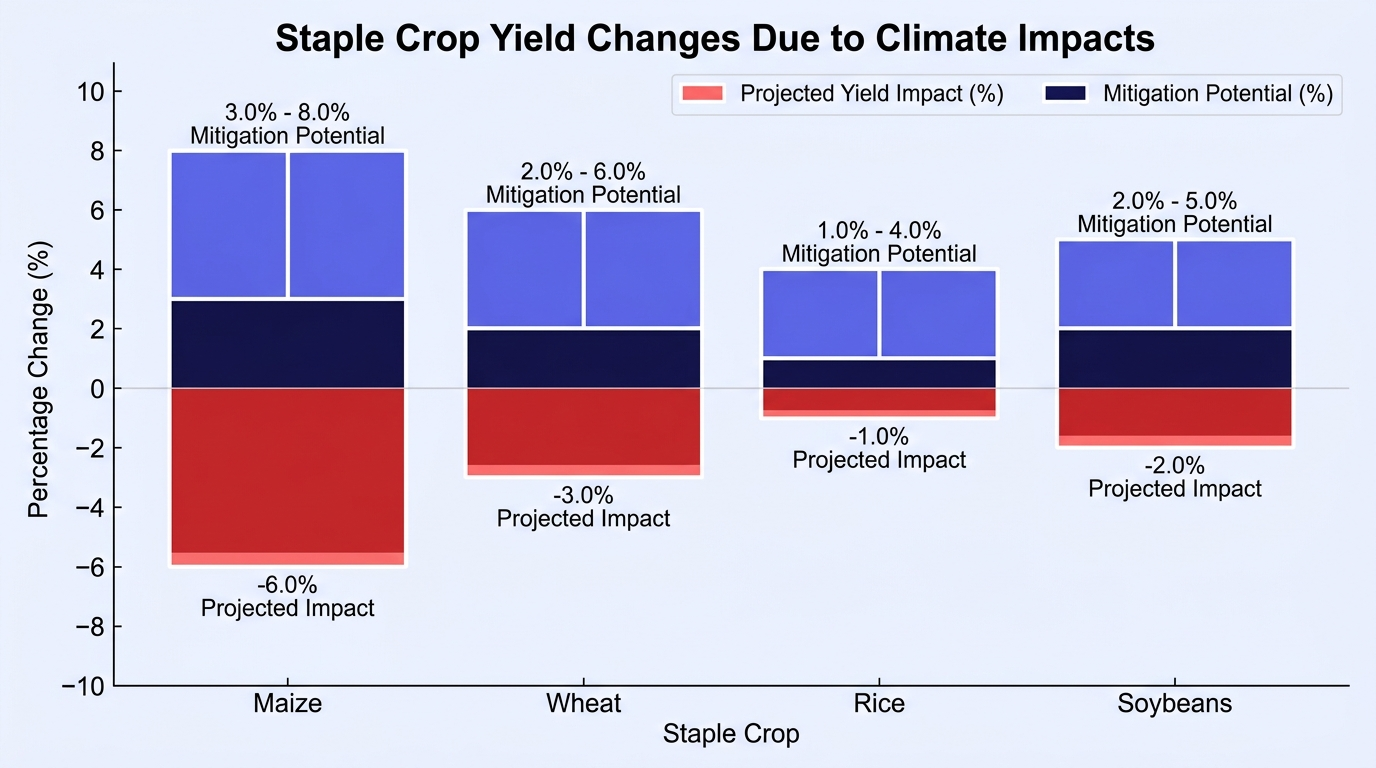
Climate extremes and export bans are major threats to 2026 food security.Trade policies significantly impact commodity price volatility.Socio-economic disparities affect food access in vulnerable regions.Innovations in agriculture can mitigate yield losses and costs.Future scenarios show the need for systemic resilience against shocks.Key Questions Answered.
53Pages of Deep Analysis
3Proprietary AI Visuals
22Curated Credible Sources
5Data Analysis Tables
Summary.