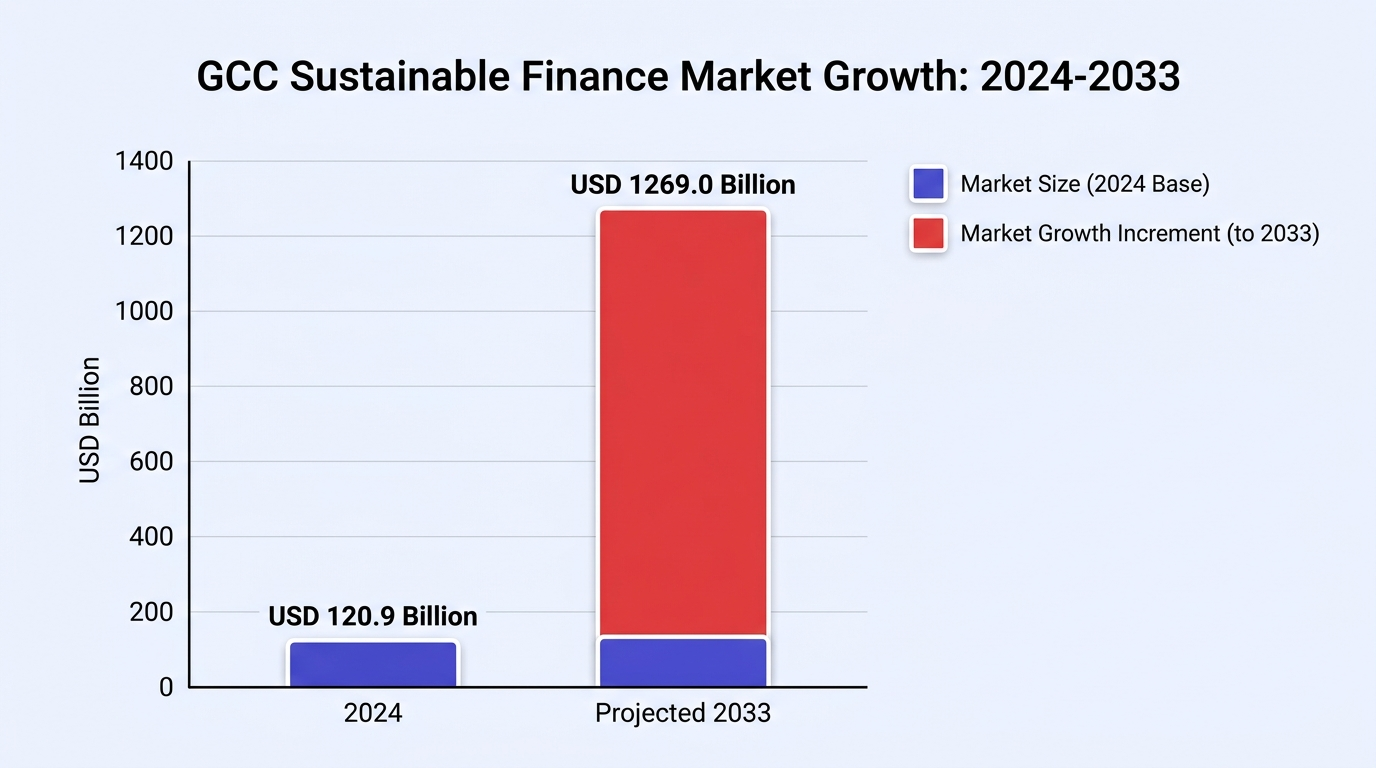
Generating visualization...
ESG Skills Gap in GCC Finance Sector.
The report examines the emerging need for ESG integration in GCC financial institutions, emphasizing the transition from voluntary to mandatory ESG frameworks. It highlights the pressing workforce skill gaps within the region in areas like climate risk management and sustainable finance, necessitating strategic initiatives. The report also discusses the technological advancements aiding ESG reporting, such as AI-enabled platforms, and outlines the significant regulatory landscape changes anticipated by 2030. Furthermore, it provides strategic recommendations for institutional readiness and capability building to align with global ESG standards.
ESG integrationESG skills gapGCC financeGreen JobsRegulatory FrameworkReporting TechSustainable Finance
Celso G, Ghost Research
2025-12-02
29
Feedback
Limited Time Offer
$50$150
(exclusive of tax)Single User License29Pages of Deep Analysis
12Credible Sources Referenced
10Data Analysis Tables
7Proprietary AI Visuals
Perspective.
PurposeTo analyze the ESG skills gap and offer strategic recommendations for GCC financial institutions.
AudienceFinancial institutions, policy makers, and ESG professionals in the GCC region.
Report LengthComprehensive.
Focus Areas.
Industries JobsFinance sector roles focusing on ESG analysts, data scientists, and climate risk specialists.
Geographic AreasGulf Cooperation Council (GCC) countries, including UAE, Saudi Arabia, Qatar, and others.
Special EmphasisEmphasis on sustainability, regulatory policies, and technological innovations in ESG reporting.
Report Layout.
Introduction to ESG Data & Reporting in Finance
- Current ESG disclosure practices
- Motivations for ESG integration
ESG Regulatory Landscape in GCC Countries

Get the Insights You Need — Download Now.
Insights.
GCC financial institutions are shifting from voluntary to mandatory ESG frameworks.Significant skill gaps remain in climate risk and sustainable finance.AI and blockchain technologies are key to advancing ESG reporting.Regulatory alignment with global standards is anticipated by 2030.Strategic partnerships and training initiatives are essential to build capabilities.Key Questions Answered.