Decentralized Education 2026.
AcademicsDecentralized EducationGlobalInformation TechnologyOpen-Source LMS
This report explores the impact of decentralized education and open-source LMS on teaching methodologies and student engagement by 2026. It outlines the benefits of open-source platforms, emphasizing AI-driven personalization and cost-effectiveness. The report discusses implementation basics, data privacy concerns, and collaborative teaching opportunities enabled by decentralized systems. Key challenges for educators and future integration trends, such as blockchain and AI advancements, are also analyzed.
Celso Gomes, Ghost Research
December 2025
Perspective.
PurposeTo investigate the transformative effects of decentralized education and open-source LMS on future education.
AudienceEducators, administrators, and education technology professionals.
Special EmphasisDigital literacy, AI integration, data privacy.

29Pages of Deep Analysis
38Curated Credible Sources
0Proprietary AI Visuals
2Data Analysis Tables
$495

Celso Gomes
10+ Years of Experience
Sectors & Industries
IndustrialsConsumer Staples
Functions & Expertise
Market IntelligenceConsumer & Retail
Have questions? Our Research Desk is here to help
Top Insights.
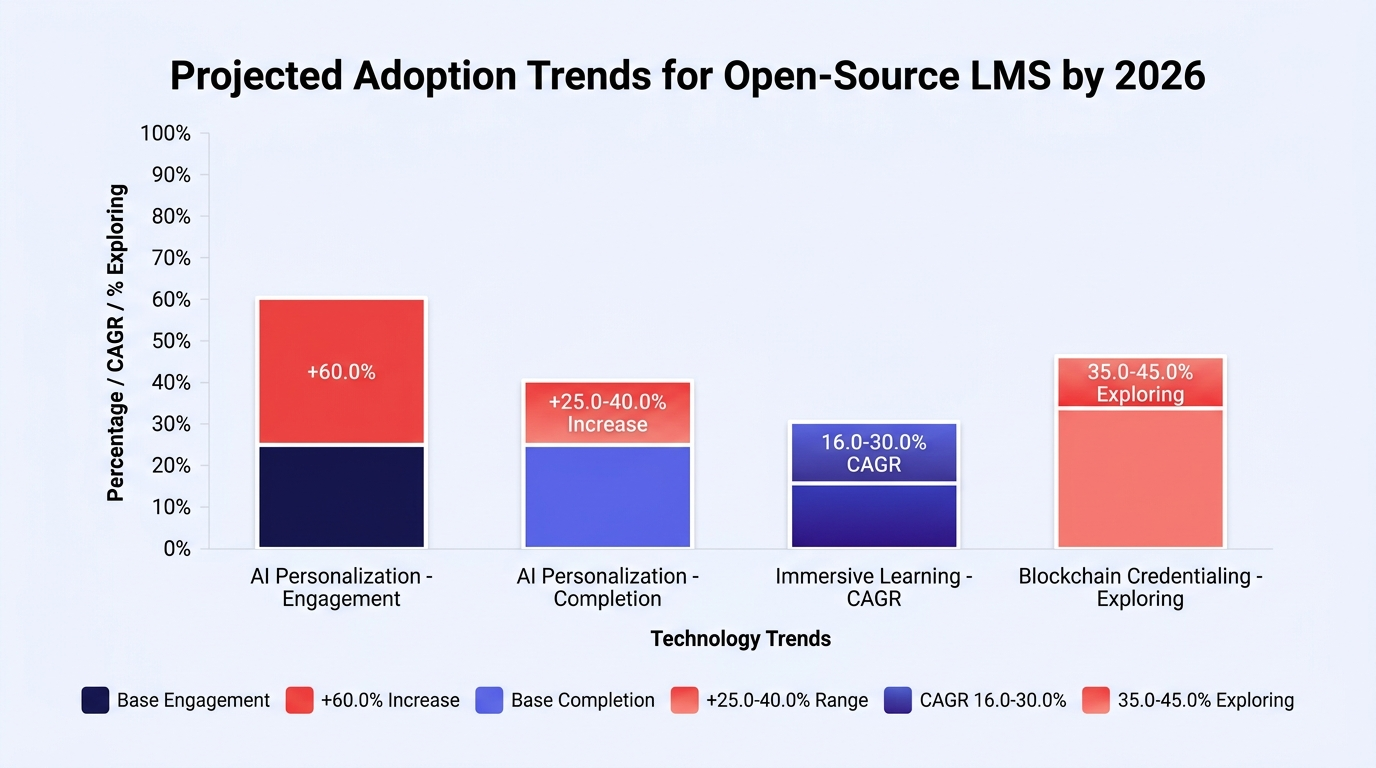
Decentralized education empowers learner autonomy and flexibility.Open-source LMS platforms reduce costs and encourage collaboration.AI-driven personalization enhances student engagement and outcomes.Ensuring data privacy is critical in decentralized learning systems.Educators face technical and pedagogical challenges with new LMS technologies.Key Questions Answered.
29Pages of Deep Analysis
0Proprietary AI Visuals
38Curated Credible Sources
2Data Analysis Tables
Summary.