BALANCE Program Launch: How $50 Medicare GLP-1 Caps Reshape Pharma Economics.
Drug pricingGLP-1 therapiesHealthcare PolicyMedicare capPharmaceutical economicsglp 1 medicare coverage
The report explores the BALANCE Program's introduction of a $50 Medicare cap on GLP-1 therapies and its impacts on pharmaceutical economics. It analyzes changes in drug pricing and access mechanisms, particularly for policymakers. The program aims to enhance healthcare affordability and expand access to metabolic therapies, influencing both Medicare and Medicaid budgeting processes. Emphasis is placed on new pricing models, policy challenges, and fiscal implications for the healthcare industry.
Damodara Rao Repalle, Ghost Research
March 2026
Perspective.
PurposeTo analyze the economic impact of the BALANCE Program's Medicare cap on GLP-1 therapies.
AudienceGovernment decision-makers, healthcare policymakers, and pharmaceutical industry stakeholders.
Special EmphasisPolicy innovation and healthcare affordability.

115Pages of Deep Analysis
87Curated Credible Sources
25Proprietary AI Visuals
24Data Analysis Tables
$495

Damodara Rao Repalle
36+ Years of Experience
Sectors & Industries
Industrials
Functions & Expertise
OperationsStrategy & GTM
Have questions? Our Research Desk is here to help
Top Insights.
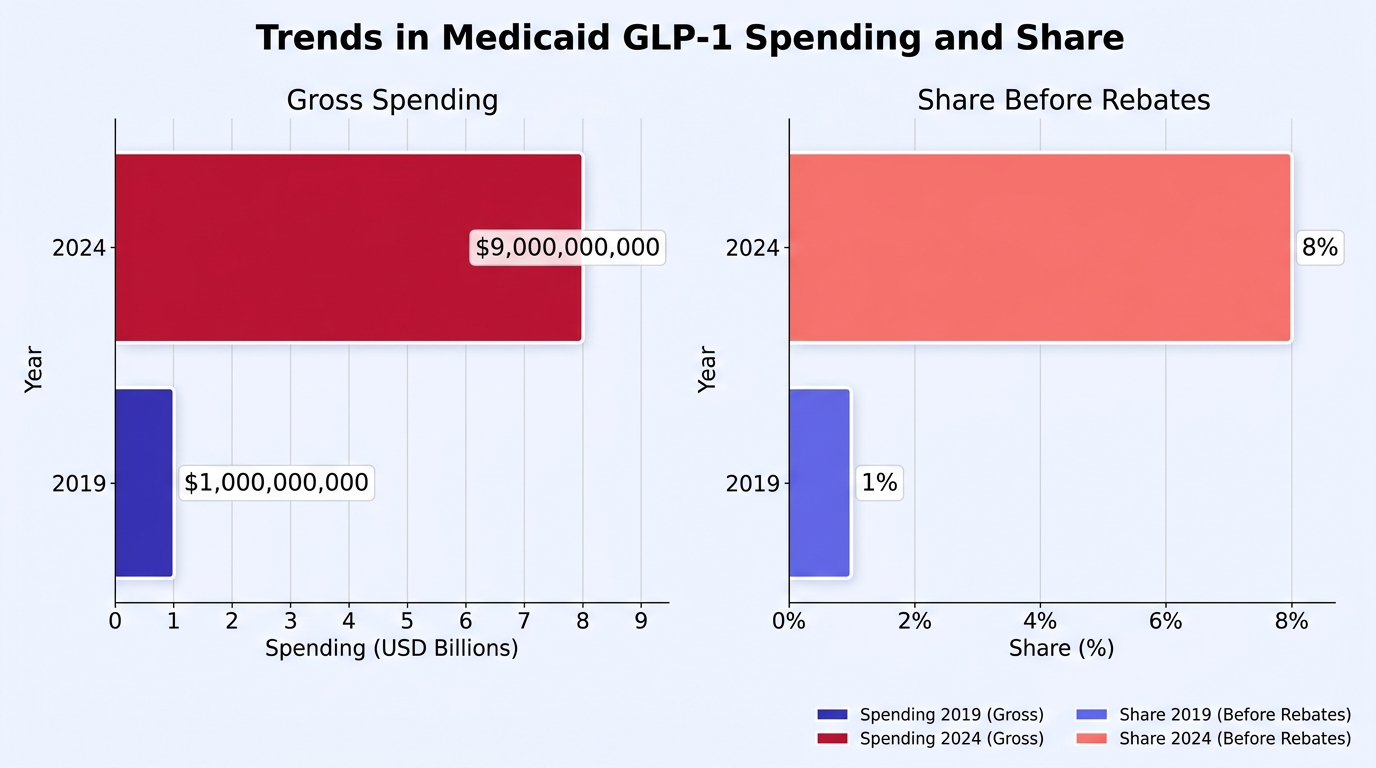
The $50 cap on GLP-1 drugs could reshape pharmaceutical pricing strategies.Integrating lifestyle support with pharmaceutical access may improve health outcomes.Policy changes are likely to affect Medicare and Medicaid cost structures.Investments in digital health and innovation are necessary to support the demand.Regulatory and legal challenges remain significant for drug coverage policies.Key Questions Answered.
115Pages of Deep Analysis
25Proprietary AI Visuals
87Curated Credible Sources
24Data Analysis Tables
Summary.