Agrifood Supply Chains Under Geopolitical Conflict: Risks and Resilience.
Agricultural TradeAgrifood Supply ChainsGeopolitical ConflictPrice VolatilitySupply Chain Resilienceglobal food security
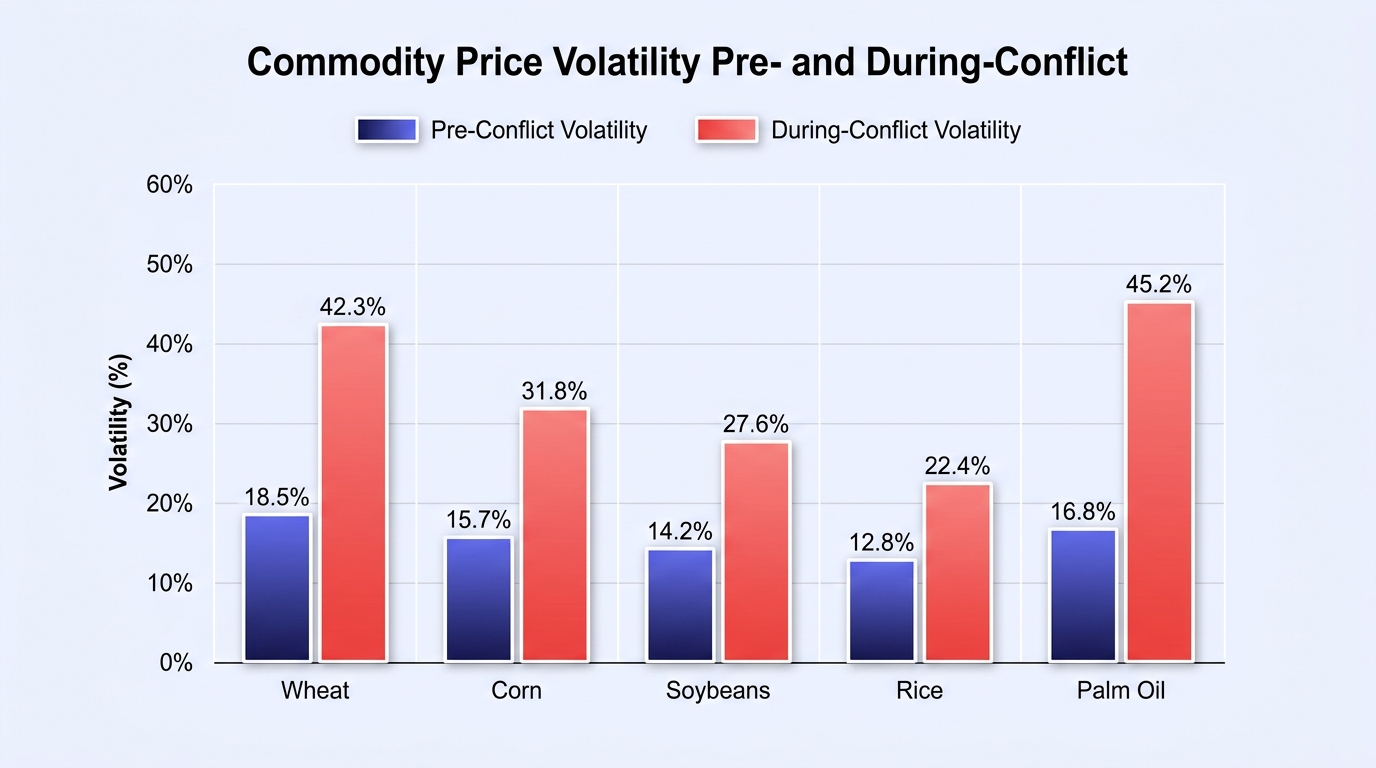
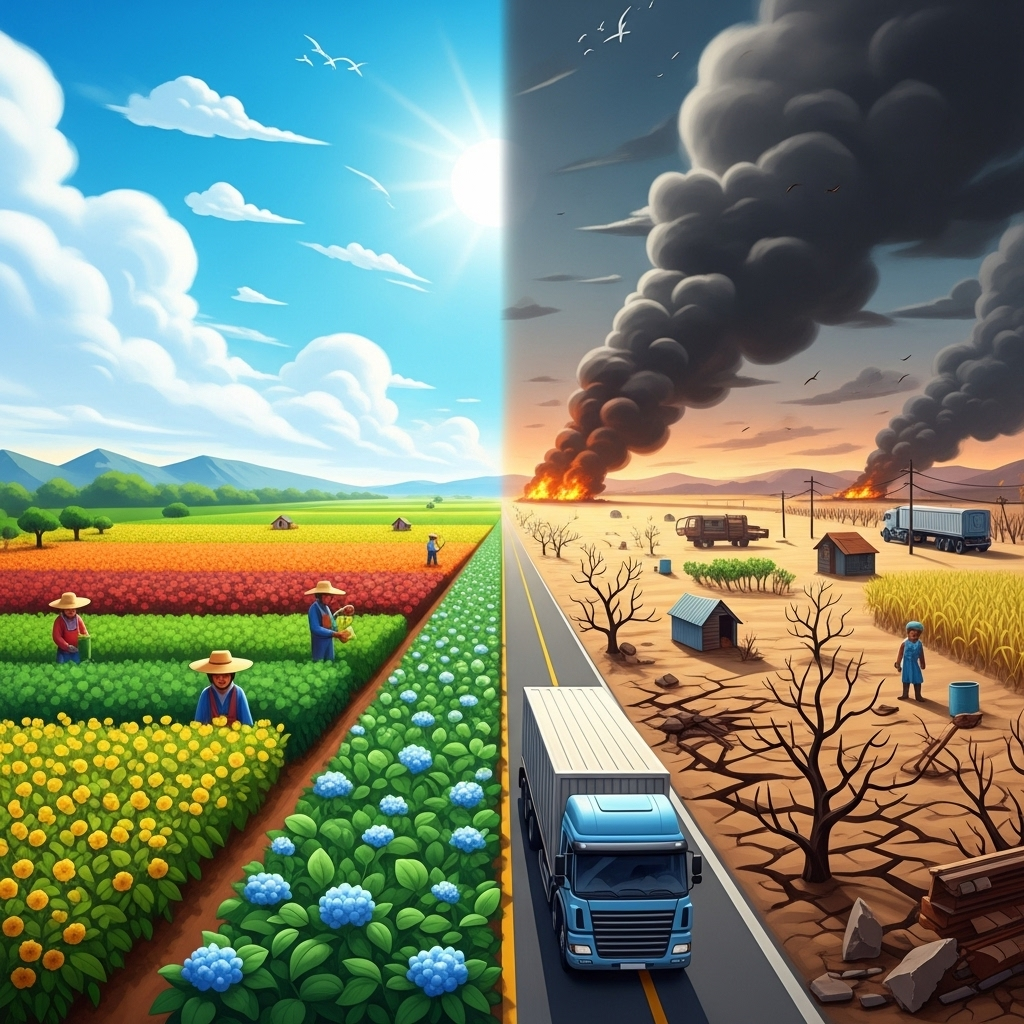
This report delves into the vulnerabilities and resilience of global agrifood supply chains amidst geopolitical conflicts. It analyzes the impact of conflicts such as the Ukraine-Russia war on agricultural trade, price volatility, and supply chain chokepoints. The study provides an assessment framework for risks, and identifies resilience strategies adopted by industry leaders to adapt to changing conditions. Recommendations for governments, investors, and corporate managers are offered, focusing on enhancing supply chain resilience through strategic planning and technological integration.
Kritika Verma, Ghost Research
October 2025
Perspective.
PurposeTo analyze agrifood supply chain vulnerabilities and adaptation strategies amid geopolitical conflicts.
AudienceGovernments, investors, corporate management, and supply chain professionals.
Special EmphasisSustainability, innovation, policy, and resilience.
59Pages of Deep Analysis
0Curated Credible Sources
6Proprietary AI Visuals
8Data Analysis Tables
$495

Kritika Verma
2+ Years of Experience
Sectors & Industries
HealthCare
Functions & Expertise
Market IntelligenceStrategy & GTM
Have questions? Our Research Desk is here to help
Top Insights.
Geopolitical conflicts cause severe market disruptions and price volatility.Key chokepoints like the Suez Canal are critical vulnerabilities.Emerging resilience strategies include supplier diversification and digital transformation.Governments and investors play a crucial role in ensuring supply chain resilience.Climate change and geopolitical conflicts are interlinked challenges for supply chains.Key Questions Answered.
59Pages of Deep Analysis
6Proprietary AI Visuals
0Curated Credible Sources
8Data Analysis Tables
Summary.