5G Monetization Failure: Why Consumer ARPU Won't Save Telecom ROI.
Generating visualization...
5G Monetization Failure: Why Consumer ARPU Won't Save Telecom ROI.
This report analyzes the challenges in monetizing 5G networks, highlighting the limitations of relying on consumer ARPU for telecom ROI. It delves into strategic shifts needed towards enterprise solutions and API-based monetization to overcome narrow profit margins. The document also outlines the impact of technical and structural barriers and the potential of new revenue models such as edge computing and platform ecosystems. It stresses the importance of regulatory frameworks and preparation for future 6G developments.
5G MonetizationAPI MonetizationEnterprise SolutionsRegulatory impactTelecom ROIprivate 5g networktelecom 5g roi
Geographic AreasGlobal, with emphasis on Europe, North America, and Asia.
Special EmphasisEnterprise solutions, API monetization, regulatory impact.

Report Layout.
Global 5G Investment Landscape
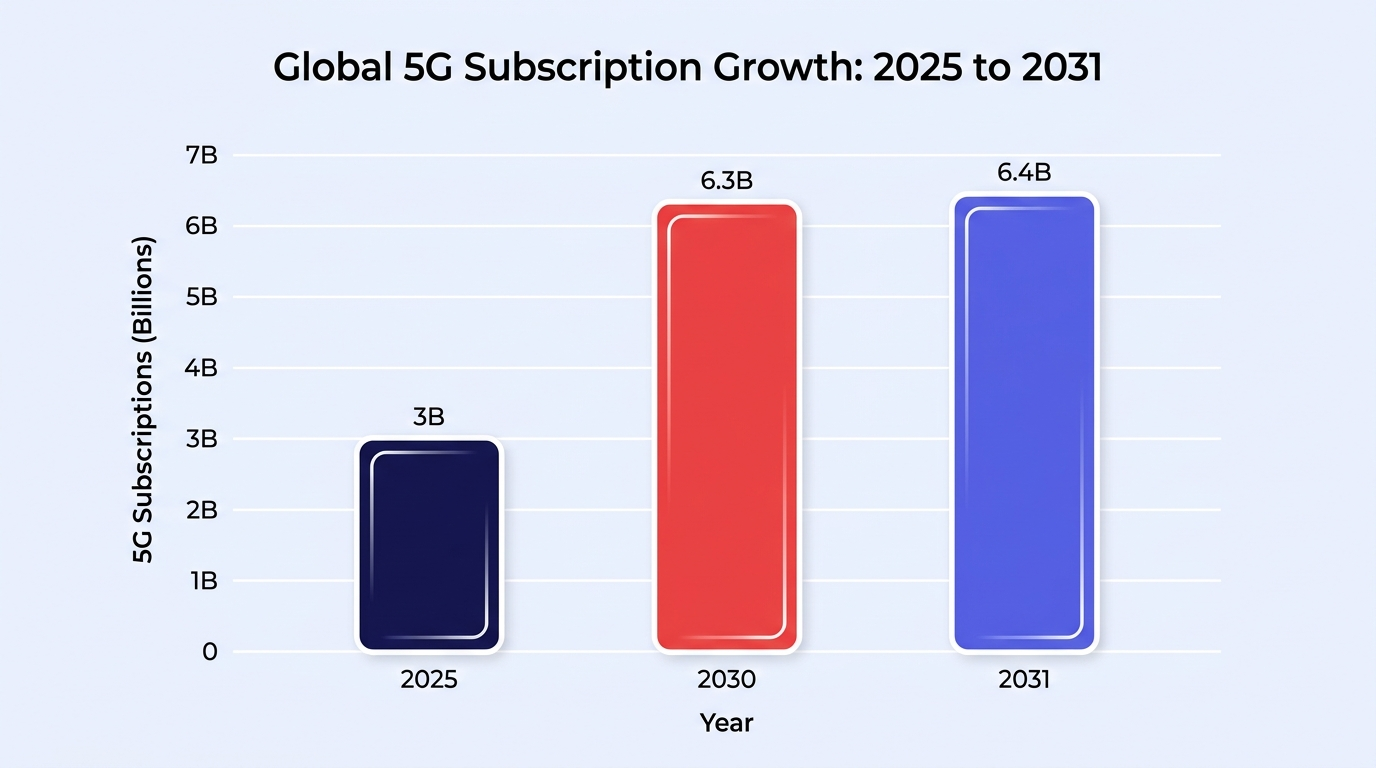
Current global 5G deployment and revenue outlook
Regional disparities in investment and ARPU trajectories
CapEx trends versus monetization outcomes
The ROI Crisis in Telecom
Get the Insights You Need — Download Now.
Insights.
Consumer ARPU is limited in driving 5G ROI due to structural constraints.Enterprise-focused offerings and platform monetization are essential for sustainability.Technical complexities hinder 5G deployment unless strategically addressed.Regulation plays a crucial role in shaping telecom investment returns.6G preparations should focus on strategic and monetization models.
Key Questions Answered.
GHOST Research combines the power of Traditional Research & LLMs.
-Sources of Curated Credible Data
28+Major Business Languages
FractionCost of traditional Research
Live StreamOf information for latest insights
Powered byProprietary AI Research Engine generates deeper insights than traditional Market Research
1000+ Subject matter expertsIndustry leading Research Experts across topics, sectors & geographies publish insightful reports
Historical investment-to-return dynamics in telecom
Challenges specific to 5G-Advanced and standalone deployments
Comparative ROI metrics among leading operators
Consumer ARPU: The Broken Promise
ARPU trends across mature and emerging markets
Consumer willingness to pay for 5G and premium services
Value perception gaps and pricing elasticity
Technical and Structural Barriers to Monetization
Spectrum complexity and mmWave deployment hurdles
Infrastructure densification and cloud-native transformation
Operational complexity: slicing, virtualization, and interoperability
Emerging Revenue Models and Ecosystem Strategies
Platform and API-based monetization
Private and campus 5G as managed services
Edge computing and AI-driven service bundling
Vertical and Enterprise Use-Case Opportunities
Industry 4.0, logistics, and manufacturing automation
Healthcare, smart cities, and mission-critical applications
Live events, venues, and QoS-on-demand slicing
Operator Case Studies and Strategic Shifts
Examples of successful enterprise monetization pilots
Strategic pivots toward platform and AI-native models
Financial outcomes and ROI acceleration stories
Regulatory and Policy Influences on Monetization
Global regulatory trends affecting spectrum and pricing
Policy frameworks for AI-ready infrastructure and data sovereignty
Recommendations to enhance ROI through regulation
Future Outlook: 6G, AI-Native Networks, and Beyond
Timeline and expectations for 6G and AI-native autonomy
Investment implications for next-generation infrastructure
Disruption scenarios: hyperscalers, satellite, and edge convergence
Strategic Recommendations for Telecom Operators
Business model transformation toward platform ecosystems
Partnerships with hyperscalers, sovereign clouds, and developers
Technical and financial optimization via AI-Ops and TaaS
Conclusion
Summary of Insights
Final Thoughts on Telecom Monetization
Closing Recommendations
References and Citations
Primary Sources
Secondary Sources
Data and Analytical Tools
2
Why are enterprise solutions emphasized in the report?