
Scaling Infrastructure Through Large-Scale Renewable Energy Projects
Gain insights into planning, financing, and executing renewable energy projects across sectors, with strategic intelligence from Ghost Research.
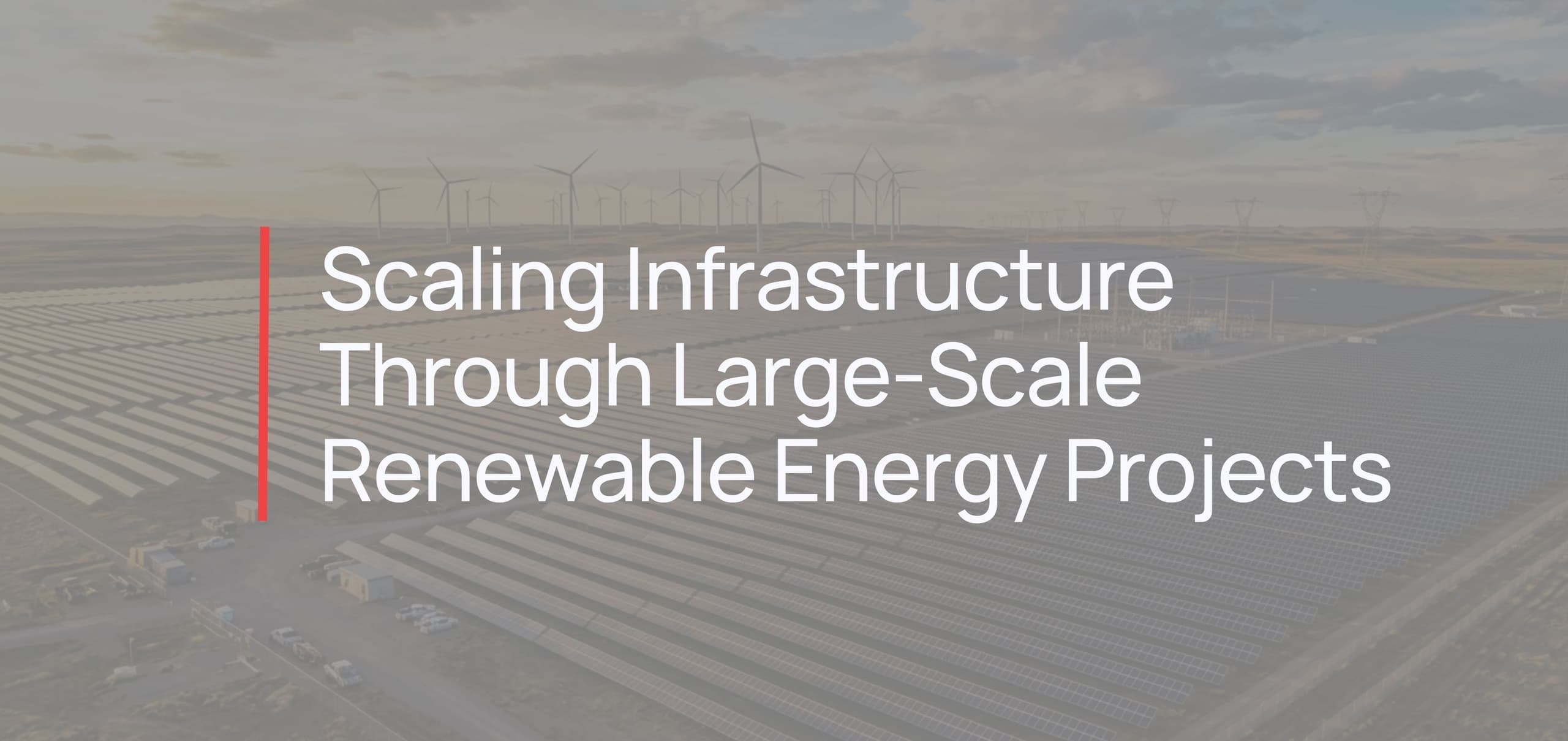
The global transition toward sustainable energy systems is accelerating as industries, governments, and infrastructure developers seek long-term energy stability and environmental accountability. Large-scale Renewable Energy Projects have become critical to meeting rising global energy demand while reducing carbon dependency. These projects are not only transforming how power is generated but are also reshaping infrastructure investment strategies, industrial planning, and national energy security frameworks.
As energy consumption continues to expand alongside urbanization, digital infrastructure growth, and industrial modernization, renewable energy infrastructure is evolving from supplemental power generation to a foundational component of global energy ecosystems. Strategic deployment of large-scale renewable infrastructure enables organizations and governments to strengthen energy resilience, reduce operational volatility, and align long-term sustainability objectives with economic growth.
What Defines Large Renewable Energy Projects
Large renewable energy initiatives typically involve utility-scale infrastructure designed to generate power at a capacity sufficient to support regional or national energy grids. These projects often include solar farms, offshore and onshore wind installations, hydroelectric power facilities, and integrated hybrid energy systems combining multiple renewable energy sources.
Unlike small distributed renewable installations, large-scale renewable infrastructure requires extensive land or marine resource utilization, high-capacity energy generation equipment, and advanced grid integration technologies. These projects are often designed to operate continuously over multi-decade lifecycle periods, requiring sophisticated planning, engineering precision, and long-term maintenance strategies.
Utility-scale renewable infrastructure is also characterized by integrated energy storage capabilities. Battery storage systems, pumped hydro storage, and hybrid energy storage platforms help balance intermittent renewable energy generation patterns. These storage technologies ensure power supply consistency during fluctuations in solar irradiation, wind availability, or seasonal energy production variability.
Large renewable energy infrastructure projects also require alignment with regulatory frameworks, environmental compliance requirements, and regional energy distribution networks. Comprehensive feasibility evaluation, environmental impact analysis, and grid synchronization planning form critical components of large-scale renewable project development.
Sectors Driving Investment in Renewable Infrastructure
- Government Sector: Drives renewable investment through national energy security planning, emission reduction goals, and infrastructure modernization initiatives supporting large-scale energy demand.
- Manufacturing Industry: Integrates renewable power into production operations to control long-term energy costs, stabilize pricing exposure, and meet sustainability compliance standards.
- Technology and Data Infrastructure: Invests in renewable energy to support continuous, high-capacity power requirements for data centers, cloud infrastructure, and digital communication networks.
- Commercial Real Estate and Logistics: Incorporates renewable energy through solar-powered buildings, sustainable logistics hubs, and clean transportation infrastructure to support energy-efficient urban and supply chain development.
Infrastructure Requirements for Utility-Scale Renewable Projects
.jpg&w=1440&q=75)
- Power Generation Infrastructure: Forms the core of renewable deployment, including solar photovoltaic systems, wind turbine arrays, hydroelectric facilities, and geothermal generation units strategically placed based on resource availability.
- Transmission and Grid Integration: High-capacity transmission networks and smart grid technologies enable efficient power distribution, real-time energy balancing, and automated load management across renewable networks.
- Energy Storage Systems: Battery storage, pumped storage, and advanced storage platforms capture surplus energy and redistribute power during demand surges or generation variability to maintain grid stability.
- Operational Monitoring and Maintenance: Digital monitoring platforms and predictive maintenance technologies track equipment performance, detect failures early, reduce downtime, and improve long-term infrastructure efficiency.
Risk Management Strategies in Renewable Energy Deployment
- Financial Risk Management: Focuses on capital investment optimization, diversified funding models, and long-term revenue stability through power purchase agreements and government incentives to reduce market volatility exposure.
- Environmental and Regulatory Compliance: Requires environmental impact assessments, land utilization approvals, and ecosystem protection evaluations to ensure projects meet regulatory standards while maintaining development timelines.
- Technological Reliability Risk: Managed through infrastructure redundancy planning, equipment performance monitoring, and lifecycle simulation to improve operational stability and reduce dependency on single energy sources.
- Supply Chain Risk Management: Involves monitoring equipment sourcing, material availability, and logistics performance to prevent procurement disruptions and maintain project cost and timeline efficiency.
Strengthening Renewable Infrastructure Through Strategic Intelligence
Identifying where large-scale renewable investments generate sustainable operational and economic value requires evaluating resource availability, infrastructure readiness, and regulatory policy environments together. Ghost Research analyzes these combined factors to help stakeholders recognize deployment opportunities that are technically feasible and commercially sustainable across evolving global energy markets.
To support project execution decisions, Ghost Research translates complex renewable deployment variables into practical strategic guidance. This includes examining storage compatibility across different renewable mixes, identifying distribution bottlenecks within transmission networks, and mapping infrastructure investment priorities based on regional demand growth patterns. These evaluations allow stakeholders to sequence project deployment more effectively while reducing integration challenges during expansion.
Renewable deployment today requires balancing technical viability with financial and operational resilience. We support this transition by helping organizations assess project durability, anticipate regulatory and supply chain risks, and align renewable expansion strategies with evolving energy consumption patterns and infrastructure modernization goals.
Latest blog posts.
All Posts