Bio-plastics Innovation: Sustainable Jobs in East Asia.
Bio-plasticsCircular EconomyEast Asia JobsGreen InnovationSustainable Manufacturing
The report provides comprehensive insights into bio-plastics advancements in East Asia and their role in fostering sustainable job growth by 2035. It covers market trends, production technologies, and regional policy frameworks that are driving the adoption of bio-plastics. The report highlights employment opportunities in manufacturing and R&D, and discusses challenges such as cost competitiveness and infrastructure gaps. Additionally, it explores future trends, including AI-designed polymers and emerging feedstocks.
Celso Gomes, Ghost Research
December 2025
Perspective.
PurposeTo analyze the impact of bio-plastics on sustainable job creation in East Asia by 2035.
AudienceIndustry leaders, policymakers, investors, and academics.
Special EmphasisSustainability, innovation, policy frameworks.

57Pages of Deep Analysis
88Curated Credible Sources
0Proprietary AI Visuals
3Data Analysis Tables
$495

Celso Gomes
10+ Years of Experience
Sectors & Industries
IndustrialsConsumer Staples
Functions & Expertise
Market IntelligenceConsumer & Retail
Have questions? Our Research Desk is here to help
Top Insights.
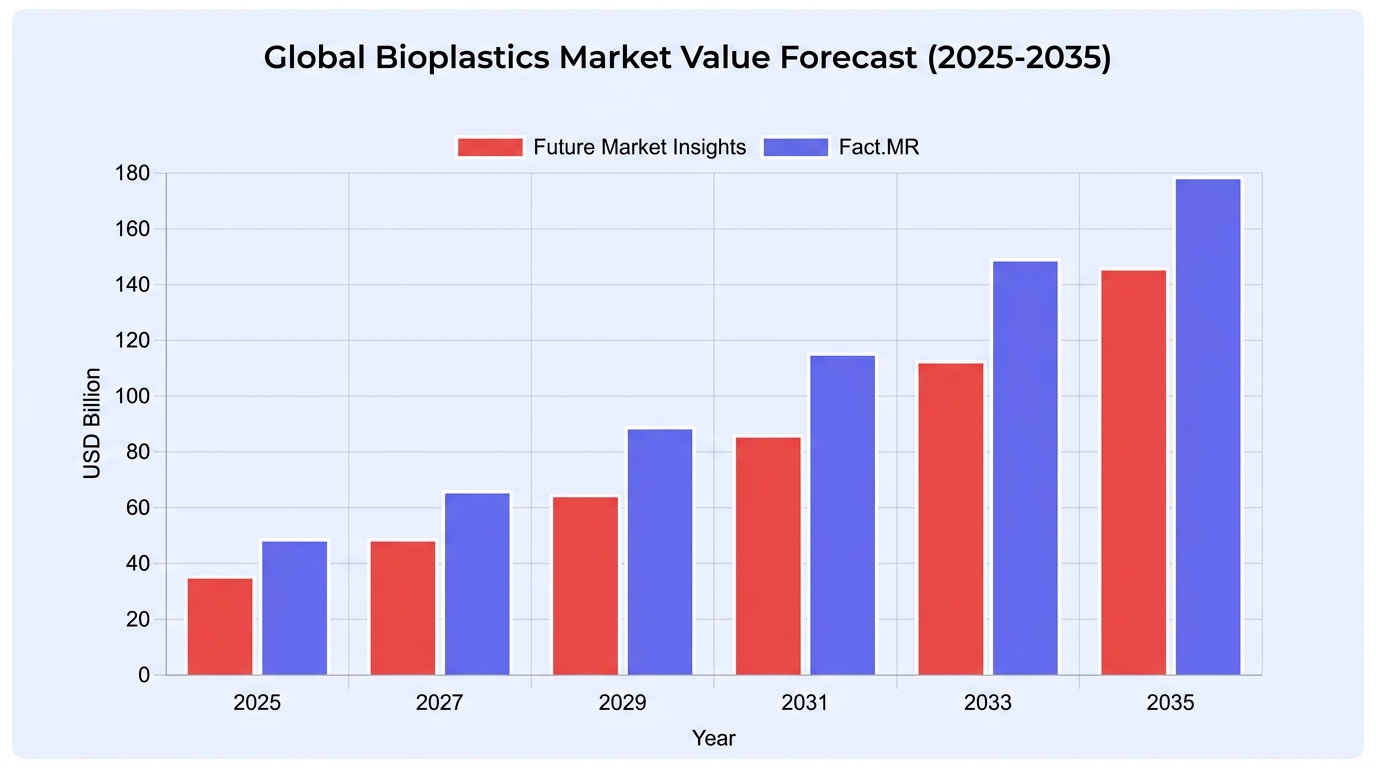
East Asia's bioplastics market is expanding rapidly and is projected to grow significantly by 2035.Technological advancements like marine-degradable materials and AI-driven polymer design are key innovation frontiers.Bio-plastics manufacturing is creating substantial employment opportunities in East Asia.Regional policies and government incentives are crucial in driving bio-plastics adoption.Sustainable sourcing and circular economy practices are essential for the resilience of the bio-plastics supply chain.Key Questions Answered.
57Pages of Deep Analysis
0Proprietary AI Visuals
88Curated Credible Sources
3Data Analysis Tables
Summary.